
Water Features Built for East Texas Land
Lake and Pond Construction in Hawkins for properties requiring a 10 to 12 acre impoundment designed around local soil, drainage, and water table conditions
Constructing a 10 to 12 acre lake or pond is one of the most consequential earthwork decisions a landowner makes, and the outcome depends almost entirely on decisions made before a single piece of equipment breaks ground. Double M Land Management handles lake and pond construction in Hawkins and the surrounding East Texas region, working with landowners who want a properly engineered water body rather than a dug hole that silts in or fails to hold water through summer drought cycles. The difference shows up years later in whether the pond maintains depth and water clarity or slowly becomes a shallow, weed-choked basin.
East Texas clay soils are both an asset and a complication in pond construction at this scale. Heavy clay content seals pond bottoms effectively when compacted correctly, but it also means watershed calculations must account for how slowly surrounding land sheds runoff and how quickly that runoff carries fine sediment into a new basin. A 10 to 12 acre impoundment requires careful evaluation of the drainage area contributing to it—too small a watershed and the pond struggles to fill after dry seasons, too large and incoming flows overwhelm the spillway during high-rain events, which in East Texas can mean several inches of rain in a single storm.
Request an on-site evaluation to review your property's drainage area, soil conditions, and topography before construction planning begins.
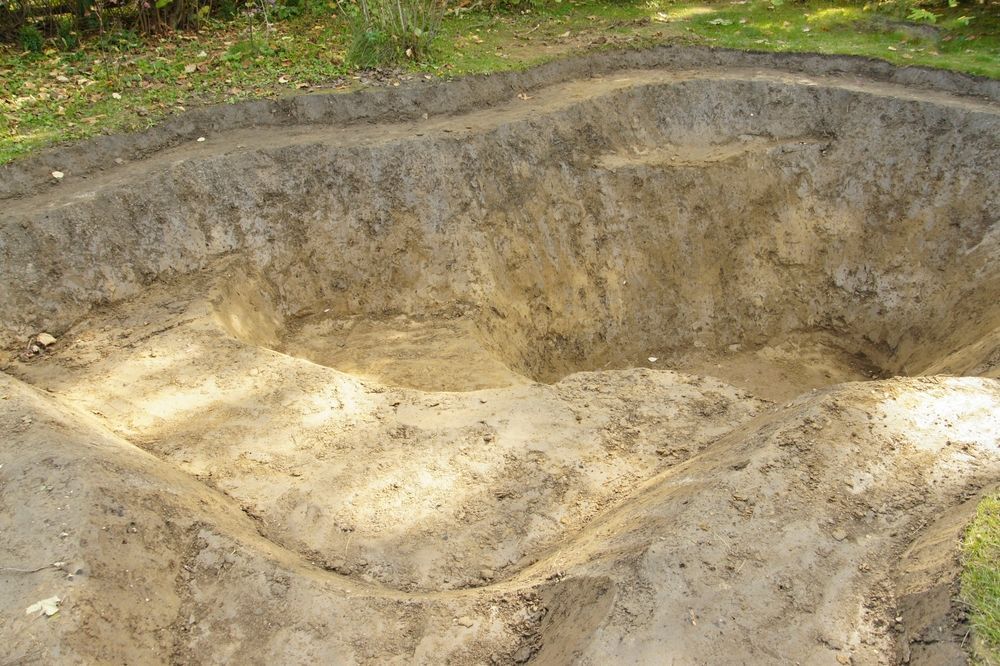
How Pond Design Decisions Affect Long-Term Performance
A lake or pond in the 10 to 12 acre range involves several interconnected design decisions: dam placement and compaction specifications, primary spillway sizing and elevation, emergency spillway location, and the depth profile of the basin itself. The dam embankment must be constructed from suitable core material—typically the same clay-heavy soil excavated during basin shaping—and compacted in lifts to prevent seepage through the dam body. Shortcuts in this step are the leading cause of dam failure and are not visible until water pressure reveals them.
Once construction is complete and the basin begins to fill, you will notice the water level stabilizing progressively as the watershed accumulates runoff across rain events. A properly graded basin holds water at consistent depth across most of its surface area rather than tapering rapidly to a shallow flat—depth variation in the basin design also matters for fish habitat and long-term management. Double M Land Management pays close attention to the depth profile during excavation so that the finished pond functions as intended rather than requiring costly remediation later.
Vegetation management around the newly completed dam face and spillway areas is a separate but connected consideration—bare embankment soil is vulnerable to erosion until grass cover establishes, and that establishment period represents one of the more critical phases in a new pond's early life. The construction scope should account for seeding and temporary erosion controls as part of the overall plan, not as an afterthought.
Common Questions About Lake and Pond Construction
Landowners planning a pond in the Hawkins area frequently have questions about the site requirements, construction process, and what to expect as the new water body matures. The answers below address the most common points that come up during planning conversations.
What soil conditions are needed to hold water in a pond this size?
In East Texas, naturally occurring clay-heavy soils generally provide adequate permeability resistance when the basin bottom and dam core are properly compacted, but a site assessment should confirm clay content before committing to a layout—sandy pockets or areas with high organic content may require additional treatment or core trenching to prevent seepage loss.
How is the spillway sized for a 10 to 12 acre pond?
Spillway capacity is calculated based on the total watershed area draining into the pond and the peak storm flow that area can generate—for properties in Hawkins and surrounding East Texas counties, that calculation must account for the region's capacity to produce high-intensity rainfall events that can deliver several inches within a few hours.
What happens to the excavated material during construction?
Excavated soil from the basin becomes the primary construction material for the dam embankment, which is why the clay content and compaction characteristics of that material matter so much—it is both the hole and the wall simultaneously.
When is the best time of year to begin construction?
Starting construction during drier months allows embankment compaction to proceed without interference from saturated soils, and it gives newly seeded dam slopes time to establish root systems before spring rain events arrive.
Why does basin depth profile matter for a recreational or fishing pond?
Shallow ponds heat quickly in summer, promote excessive aquatic weed growth across the bottom, and lose a significant percentage of their volume during drought conditions—a varied depth profile with deeper central areas maintains cooler water temperatures and usable volume when rainfall is below average.
Double M Land Management works through the full scope of a pond project from initial site review through final grading and erosion control, giving landowners a clear picture of what the construction process involves before work begins. Connect with our team to discuss your property's layout and begin planning your lake or pond project.