Property That Sheds Water Where It Belongs
Grading and Drainage in Hawkins, Tyler, Longview, and the surrounding areas for properties with standing water, erosion channels, or flooding after heavy rain
Standing water that lingers days after a storm, soil that washes toward foundations, or low spots that turn into seasonal ponds all point to grading problems that worsen with every weather cycle. Double M Land Management handles grading and drainage work in Hawkins, Tyler, Longview, and the surrounding areas for properties where water movement threatens structures, access routes, or usable land. Correcting surface elevation and installing drainage systems redirects runoff before it undermines driveways, saturates septic fields, or creates impassable mud zones during wet seasons.
Grading reshapes land contours to establish positive slope away from buildings and toward designed drainage paths, while culverts, swales, and French drains capture and channel water to safe discharge points. The work involves analyzing existing flow patterns during rain events, identifying collection points where water stalls, and calculating slope percentages that move runoff without creating erosive velocity.
Schedule a site assessment to map current drainage issues and review grading solutions for your property layout.
How Proper Grading Prevents Long-Term Water Damage
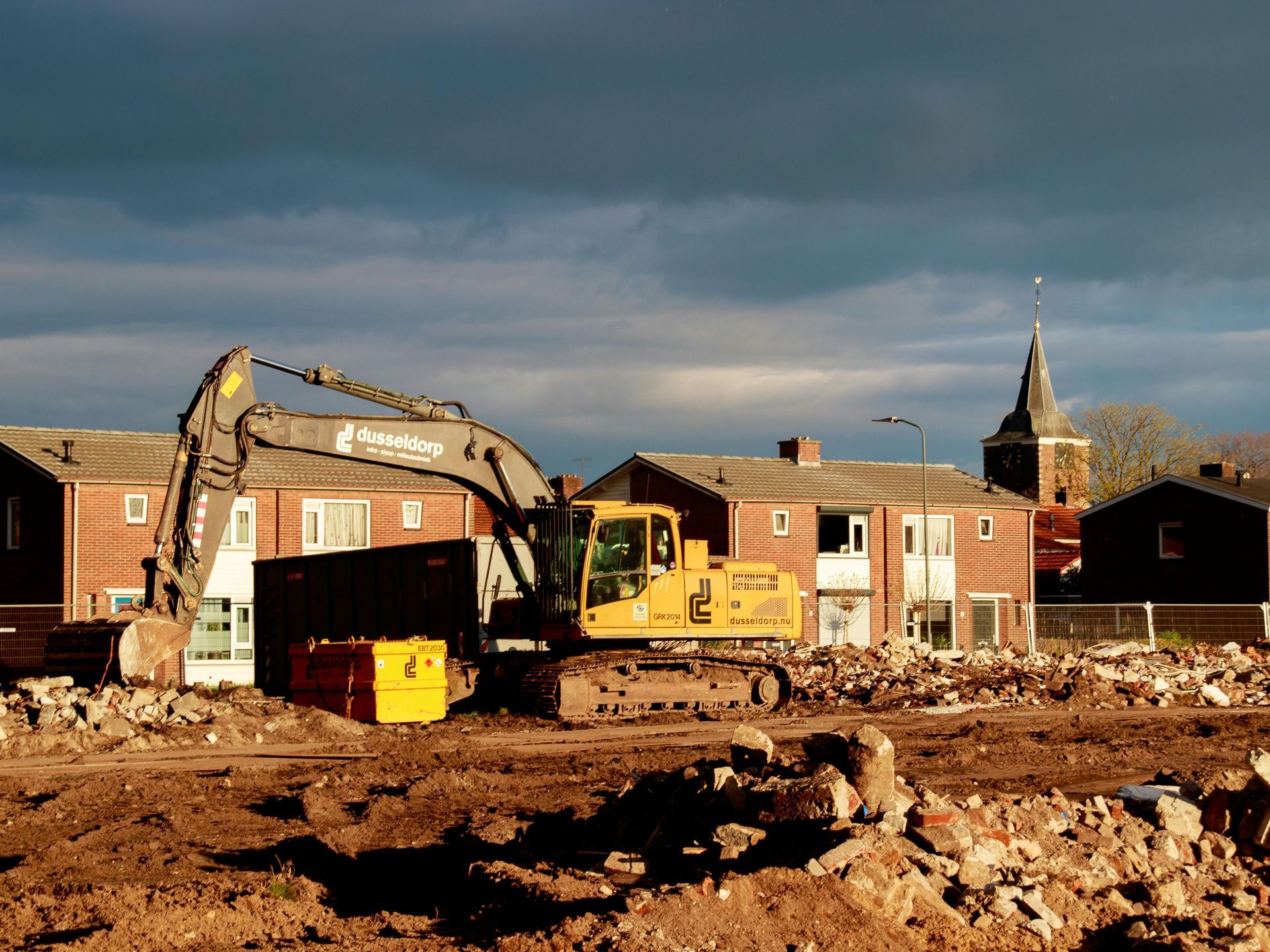
The process begins with measuring existing elevations using laser levels or transit equipment to identify depressions, reverse slopes, and areas where water pools instead of flowing. Equipment operators then cut high spots and fill low areas, compacting soil in lifts to prevent future settling that would recreate drainage problems within months.
Once grading work finishes, you notice water moving visibly away from structures during rainfall rather than ponding near foundations or creating muddy zones in driveways and yard areas. Erosion channels stop expanding because runoff follows controlled paths at manageable speeds, and previously soggy ground firms up as subsurface moisture drains through installed systems instead of saturating soil layers.
The scope includes removing vegetation and debris that block natural drainage corridors, installing culvert pipes where water crosses driveways or access roads, and establishing outlet points that discharge away from neighboring properties. Projects may require permits depending on watershed regulations, especially when work affects natural creek beds or alters flow onto adjacent land.
Questions Property Owners Usually Ask
Drainage challenges vary with soil composition, rainfall intensity, and how land was originally developed, so clients in Hawkins, Tyler, Longview, and the surrounding areas often need clarity on what the work involves and what changes to expect.
What causes drainage problems on previously dry land?
Soil compaction from equipment or livestock traffic, settling of fill dirt around structures, or vegetation removal that once absorbed runoff all change how water moves across property, creating new low spots where none existed before.
How does grading differ from simply filling low spots?
Grading establishes continuous slope from high points to discharge areas using calculated gradients, while filling alone often creates temporary fixes that settle unevenly and recreate ponding within a season or two.
What materials work best for French drains in clay soil?
Perforated pipe surrounded by washed gravel allows water to enter the system while preventing fine soil particles from clogging the pipe, and filter fabric wrapping keeps the gravel layer from mixing with surrounding clay over time.
When should culverts be installed during driveway construction?
Culverts go in before base material and surface layers, sized to handle peak flow volumes during storm events so water crosses under the drive instead of washing across the surface and eroding gravel or pavement.
How much slope is needed to move water effectively?
A minimum two percent grade—roughly one-quarter inch drop per foot of distance—moves water without erosion, though steeper slopes require velocity control features like riprap or check dams to prevent channel cutting.
Double M Land Management evaluates how water currently behaves on your property and designs grading plans that redirect flow to protect structures and maintain access during wet conditions. Request a drainage consultation to address specific problem areas before the next heavy rain cycle.